6
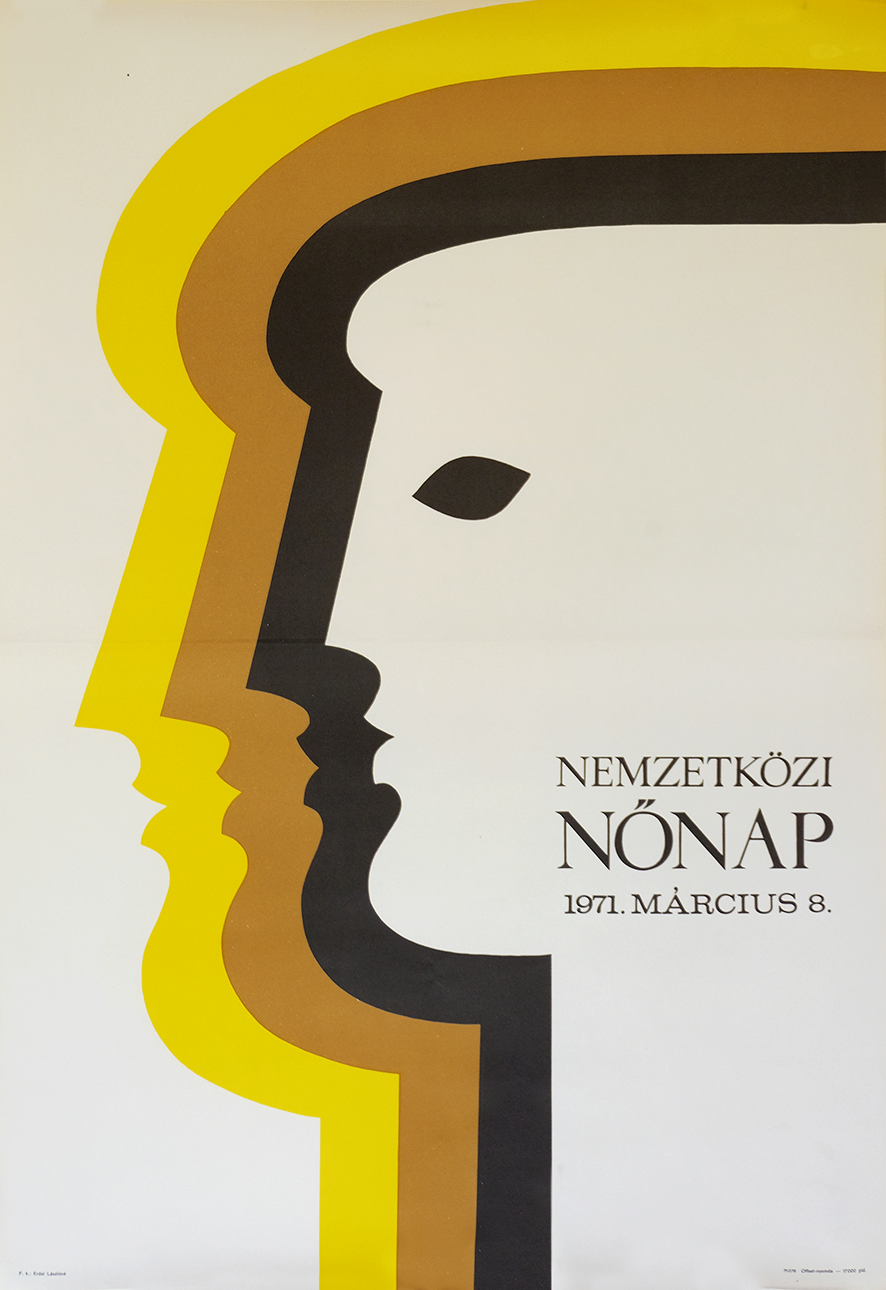
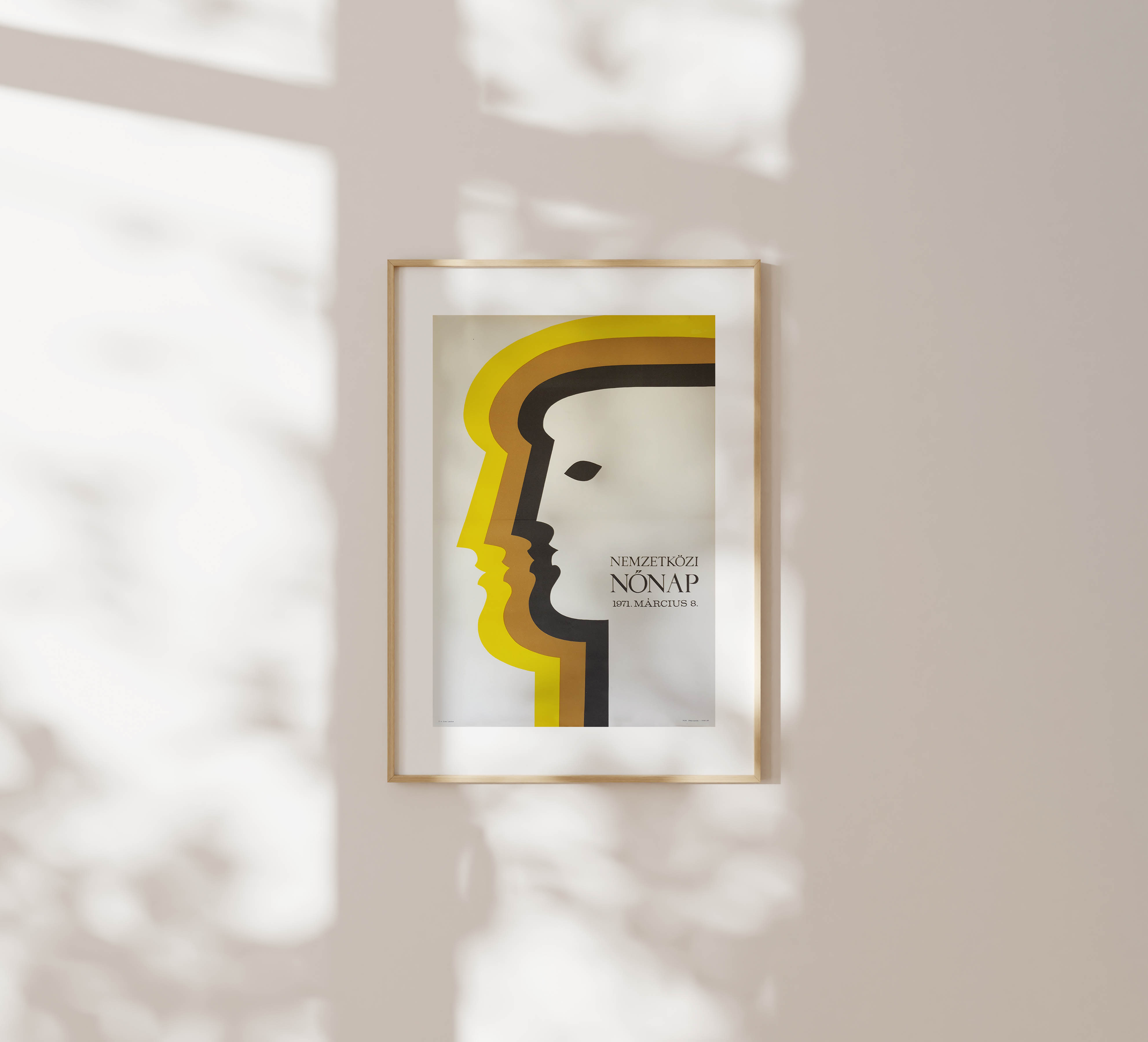
The 1970s marked a significant period in the global feminist movement, with countries around the world acknowledging and addressing women's rights. Hungary, influenced by the USSR's early commitment to gender equality — being the first major superpower to grant women the right to vote in 1917 — wasn't an exception. Lajos Greek's "International Women's Day" is a testament to this influence. Beyond being a commemorative piece, it's a celebration of the strides women had made in both the USSR and its satellite states.
Greek's monochromatic design, juxtaposing a woman and a man, is a powerful visual representation of gender dynamics. The bold "NEMZETKÖZI NŐNAP" text further accentuates the significance of the day and the ongoing journey toward gender equality. In a decade of societal transformations, this artwork stands as a salute to the indomitable spirit of women and the progressive ideals championed by the Soviet influence.