2
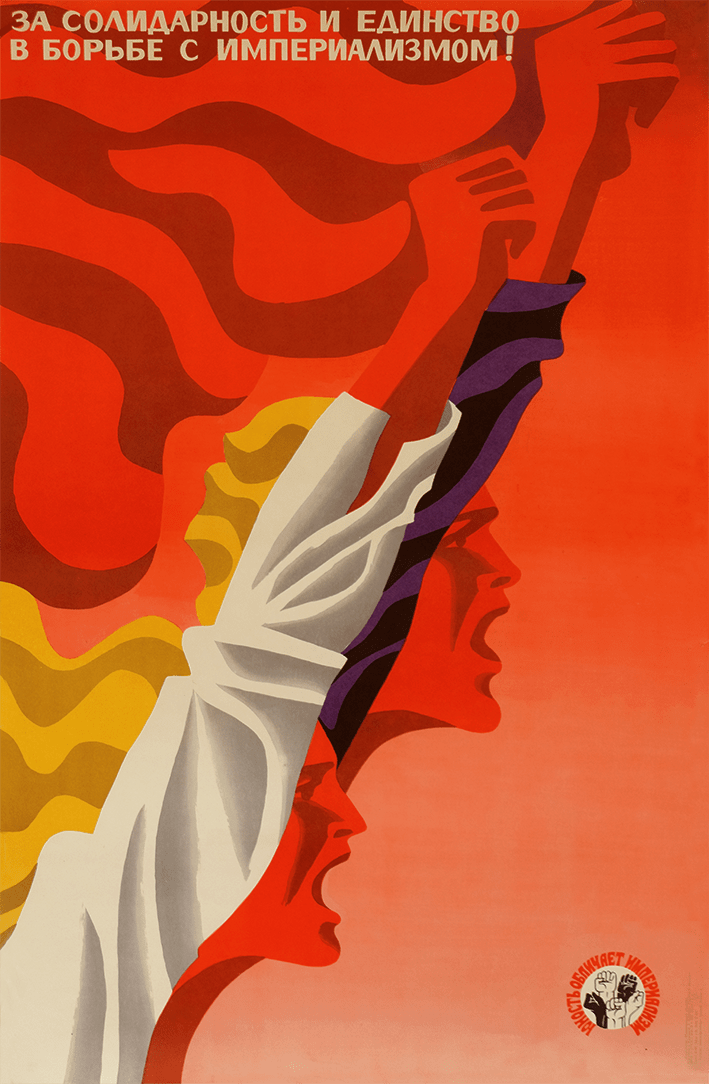
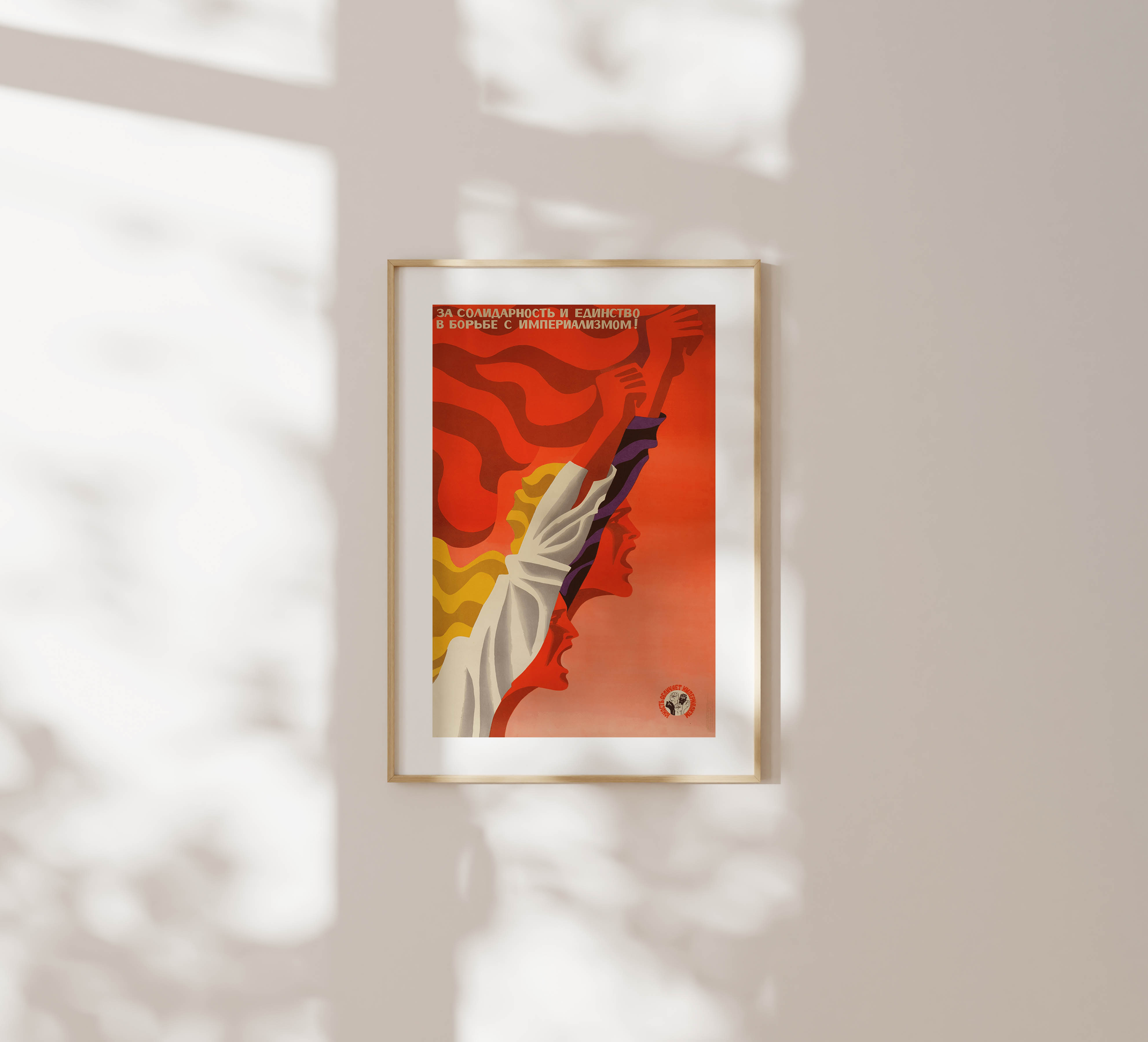
The 1970s was a decade of geopolitical maneuvering. As the Cold War raged on, the USSR sought to position itself as a beacon against Western imperialism. Vilen Surenovich Karakashev's artwork from 1972 is a testament to this stance. More than just a poster, it's a visual representation of the USSR's commitment to challenging imperial forces and its alignment with nations oppressed by Western dominance.
Karakashev's powerful imagery of a clenched fist and national flags isn't just striking; it's symbolic. It emphasizes the USSR's fight against imperial forces and its dedication to global solidarity. The Soviet Union's vocal opposition to racism and its alignment with African nations were strategic moves to counteract Western influence, presenting itself as a champion of the oppressed.
This wasn't just about political posturing; it was a declaration. At a time when the world was divided into spheres of influence, the USSR showcased its commitment to supporting nations in their fight against imperialism, emphasizing its role as a global protector and ally.